
Discover which fabrics are driving the future of the Indian textile industry, from sustainable cotton to technical textiles, and how procurement teams can
Why Fabric Choice Matters for Bulk Sourcing in India
The Indian textile industry is undergoing rapid transformation, where procurement teams face new pressures to balance tradition with innovation. As sustainability expectations rise and global buyers demand more advanced, eco-friendly, and performance-oriented fabrics, sourcing decisions are now more strategic than ever. For garment manufacturers, apparel brands, and buying houses, the right fabric selection directly impacts product quality, cost, and market competitiveness. Understanding which fabrics are shaping the industry helps sourcing professionals anticipate trends, manage risks, and ensure supply chain resilience. Whether sourcing for apparel, uniforms, or industrial applications, buyers must evaluate not just the fiber type, but also factors like GSM, width, finish, and application suitability. This shift is driving a move beyond conventional cotton and synthetics toward blends, technical textiles, and sustainable alternatives. Procurement teams that stay informed about these changes are better positioned to meet client expectations and secure reliable supply partners. For those interested in exploring a wide range of options, reviewing a supplier's fabric collection can provide valuable insights into available constructions and finishes.
Key Fabric Trends Reshaping Indian Textile Sourcing
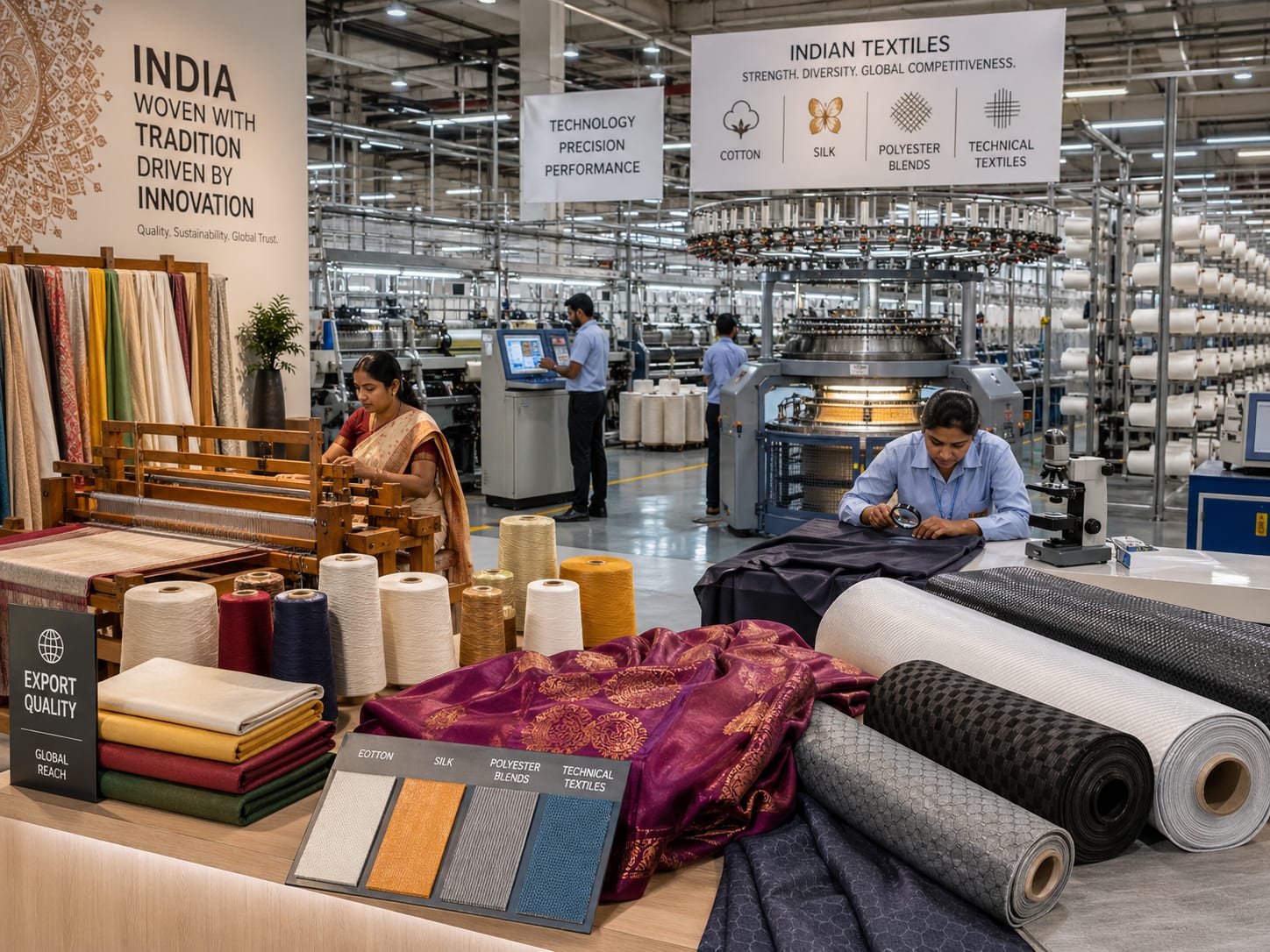
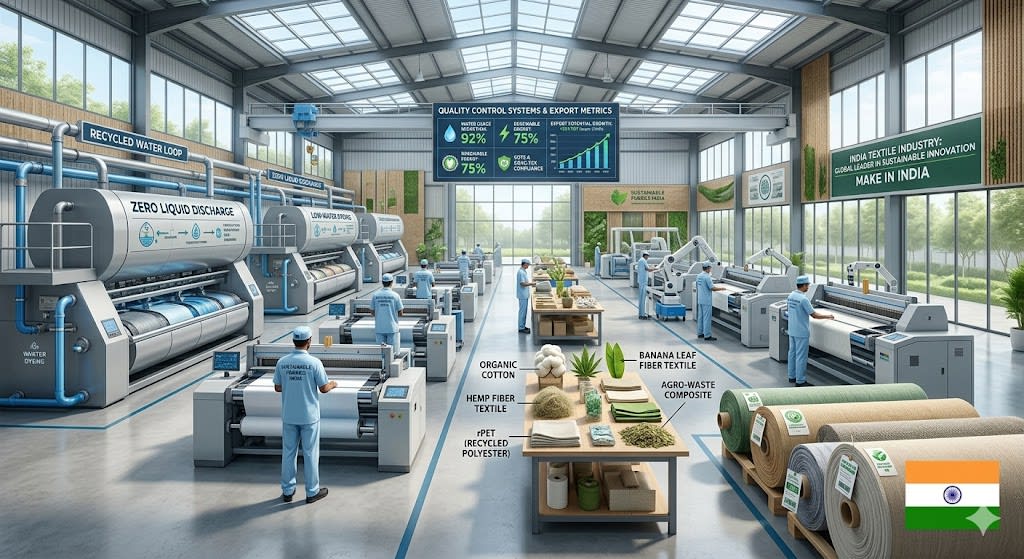
Several fabric categories are at the forefront of change in the Indian textile sector. Sustainable cotton remains a staple, with increased demand for organic and low-impact varieties. Buyers are seeking cotton grown without harmful chemicals and with traceable sourcing, especially for export-focused programs. Technical developments in cotton, such as blends with elastane for stretch or moisture-wicking finishes, are expanding its use into performance and activewear. Man-made fibers like polyester, viscose, and modal are also gaining ground due to their scalability and consistency. Polyester is valued for its durability and ease of care, while recycled polyester is becoming more relevant as sustainability moves up the agenda. Viscose and modal offer a soft hand feel and drape, making them popular for fashion and lightweight summer garments. Silk and luxury blends are evolving too, with lighter weaves and contemporary finishes catering to modern preferences. Technical and smart fabrics are emerging for industrial, medical, and protective applications, including temperature-regulating or sensor-enabled textiles. Eco-friendly fibers such as bamboo, hemp, and banana are being explored for niche uses. Across all these categories, procurement teams should assess fabric suitability based on end-use, required performance, and buyer expectations. Sharing details like GSM, width, shade, and intended application with suppliers is essential for identifying the right options and ensuring consistent bulk quality.
Aligning Sourcing Strategies with Industry Evolution
As the Indian textile industry evolves, sourcing teams must adapt by staying informed about fabric innovations and sustainability trends. The ability to match fabric specifications with client needs—whether for fashion, uniforms, or technical end uses—will define sourcing success. Amrita Global Enterprises supports B2B buyers in reviewing suitable fabric options based on their requirements, including GSM, width, colour, and application. To discuss your bulk fabric needs or request samples, send a fabric inquiry and share your target specifications. This collaborative approach helps ensure that procurement decisions are aligned with market expectations and future-ready sourcing strategies.
