
Learn how to identify fabric quality by examining fiber content, construction, texture, and color fastness. These factors help B2B buyers select fabrics that
Why Fabric Quality Matters in Bulk Sourcing
For procurement professionals and sourcing teams, fabric quality is a key factor that influences product performance, brand reliability, and long-term business outcomes. When sourcing fabrics in bulk for garments, uniforms, or home textiles, understanding how to assess quality helps avoid costly issues such as returns, rejections, or inconsistent production. Quality assessment is not just about avoiding defects—it is about ensuring that the fabric meets the specific requirements of your end application, whether that means durability for workwear, comfort for apparel, or vibrant color for retail products. By focusing on quality from the start, buyers can reduce risk and improve consistency across orders. Amrita Global Enterprises supports B2B buyers in reviewing fabric options that align with their technical and commercial needs. For a broad overview of available options, buyers can explore the fabric collection to compare different constructions and finishes.
Key Indicators for Assessing Fabric Quality
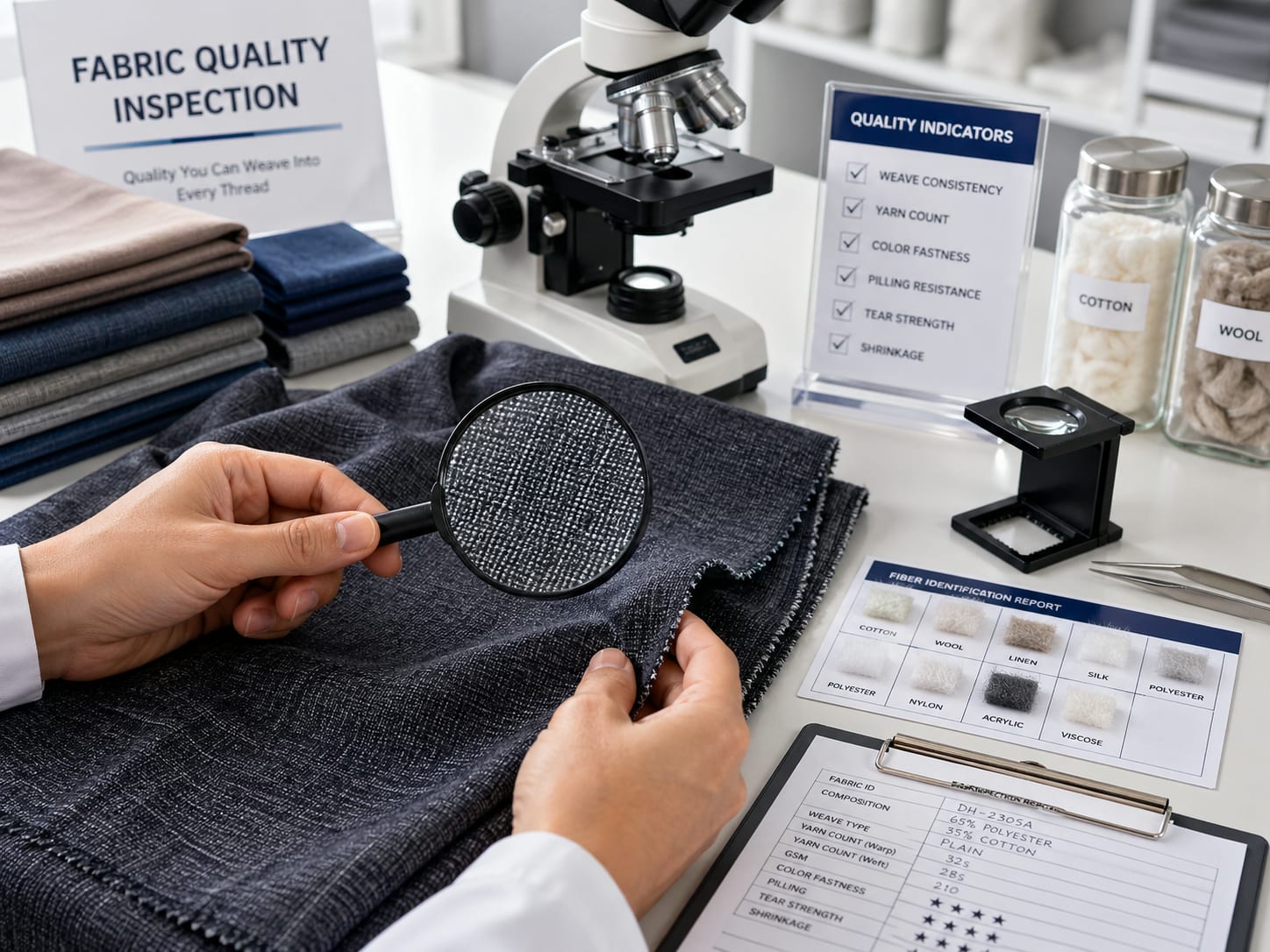
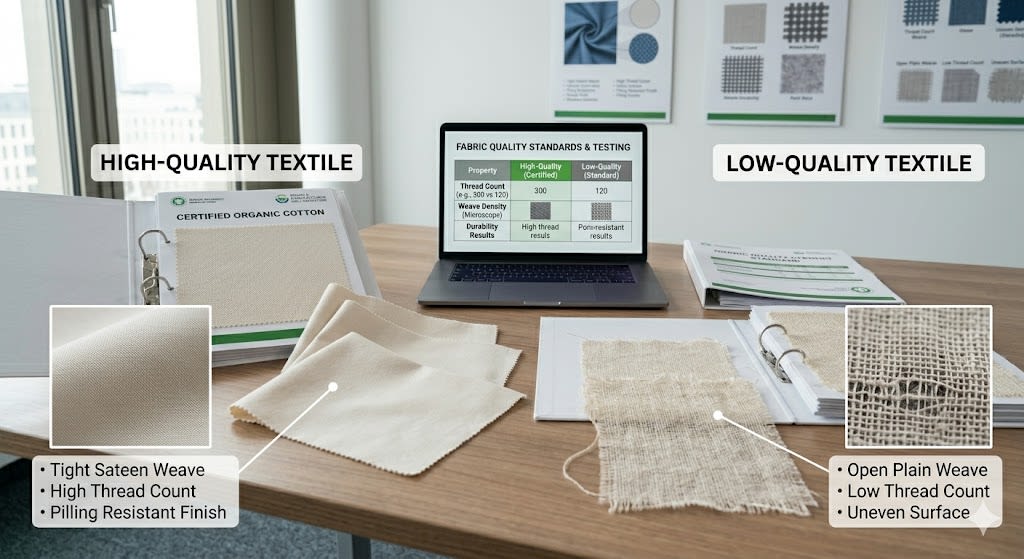
Fabric quality is typically evaluated through a combination of visual checks, touch, and basic technical understanding. Key indicators include fiber content, texture, construction, weight, color performance, and durability. Fiber composition—such as cotton, polyester, or blends—affects comfort, breathability, and strength. Texture and hand feel should be smooth and consistent, with no excessive stiffness or roughness. Construction quality is reflected in a tight, uniform weave or knit, absence of loose threads, and consistent patterns. For woven fabrics, evenness and regularity in the weave are important; for knits, uniform loops and stretch recovery matter. Fabric weight should match the intended use; for example, lighter weights for shirts and heavier for outerwear. Uniform thickness and no weak spots are positive signs. Color fastness is another critical factor—look for even coloration, resistance to fading after washing, and no bleeding. Durability can be checked by gently stretching the fabric and observing recovery, as well as checking for pilling or easy tearing. These indicators help buyers select fabrics that will perform reliably in bulk production and meet the expectations of end users.
Making Informed Sourcing Decisions
Identifying fabric quality is essential for procurement teams aiming to secure consistent, high-performing textiles for bulk orders. By focusing on fiber content, construction, texture, weight, and color fastness, buyers can minimize sourcing risks and support product quality. Amrita Global Enterprises works with B2B buyers to match fabric specifications to end-use requirements, helping teams review suitable options before moving to sampling or bulk approval. To discuss your bulk fabric requirement, send a fabric inquiry with details such as GSM, width, color, quantity, and application. This ensures a more efficient and targeted sourcing process.
