
Fashion brands can reduce their environmental impact by sourcing sustainable fabrics. Learn how to evaluate eco-friendly textile options, select reliable
Why Sustainable Fabric Sourcing Matters for Fashion Brands
Sourcing sustainable fabrics is a strategic decision for fashion brands aiming to reduce environmental impact and meet the expectations of conscious buyers. Procurement teams and sourcing managers must find textile options that balance quality, performance, and eco-friendly attributes. Choosing the right sustainable fabrics helps brands align with responsible practices and build trust with customers. When evaluating suppliers, it is important to focus on tangible sourcing criteria that affect both the environment and your supply chain. Working with fabric manufacturers who prioritize sustainability enables brands to create collections that are both stylish and responsible, supporting long-term business goals.
Bulk fabric buyers should also consider the practicalities of fabric performance, consistency, and availability for repeat orders. Sharing your GSM, width, colour, application, and quantity requirements with suppliers like Amrita Global Enterprises ensures that fabric options are tailored to your needs. This approach streamlines sourcing and supports better decision-making for apparel brands and garment manufacturers.
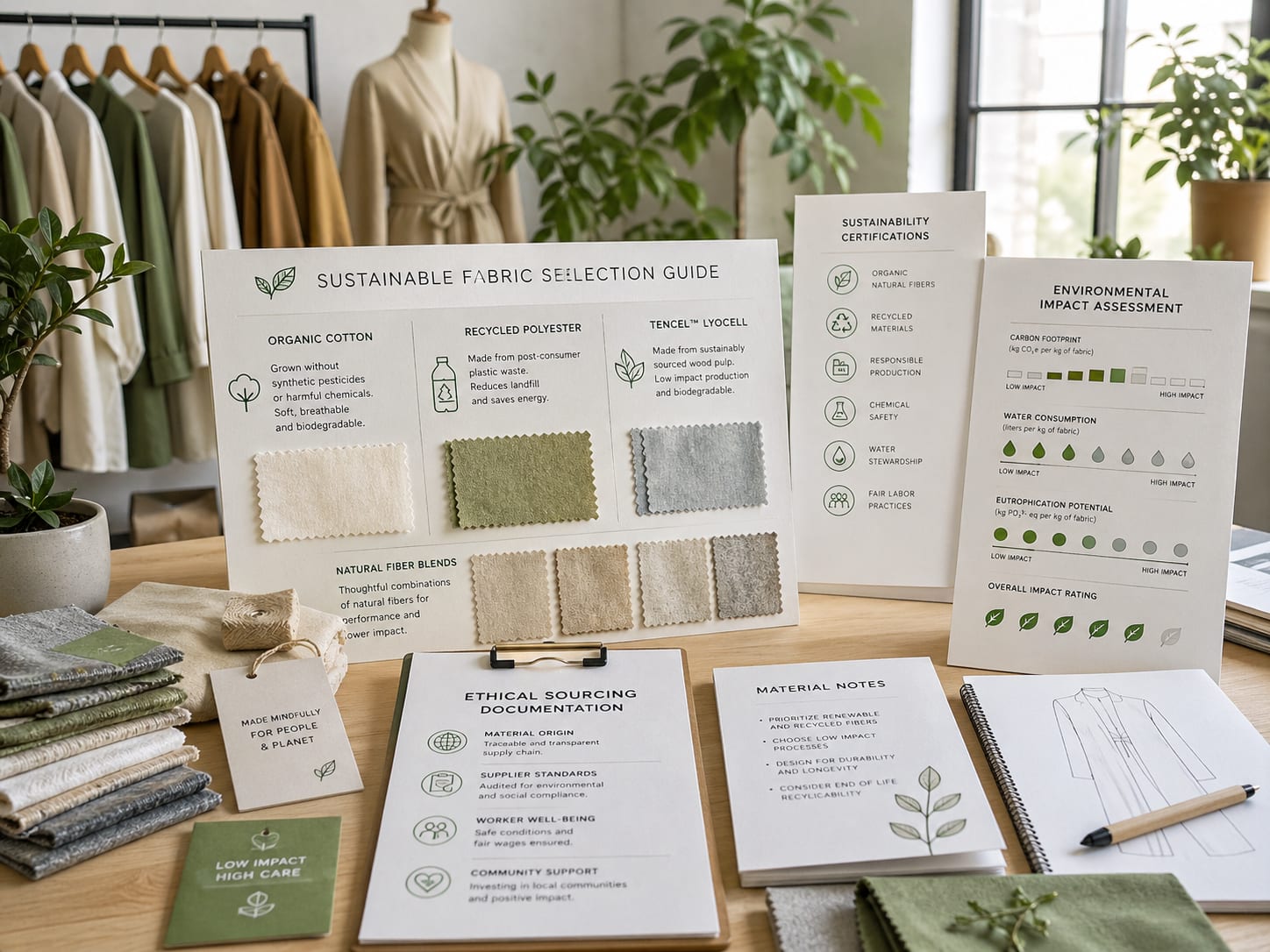
Key Considerations When Selecting Sustainable Fabrics
Understanding what makes a fabric sustainable is essential for effective sourcing. Sustainable fabrics are generally produced with lower water and energy usage, reduced chemical inputs, and responsible raw material sourcing. Materials like organic cotton, recycled polyester, linen, and hemp are often chosen for their lower environmental footprint. Each material offers unique benefits depending on the application, such as durability for uniforms or softness for casualwear.
- Raw Material Origin: Assess if the fiber is organic, recycled, or renewable, as this impacts both sustainability and performance.
- Production Process: Seek suppliers who minimize waste, reduce emissions, and avoid harmful chemicals. Transparency in sourcing and production is a positive sign.
- Fabric Performance: Sustainable fabrics must meet your brand's requirements for strength, comfort, and longevity. Requesting samples and technical data helps ensure suitability.
- Supplier Communication: Clear communication about GSM, width, colour, and application is key to matching fabrics with your needs.
To explore available fabric types for sustainable sourcing, review the fabric collection from Amrita Global Enterprises. Comparing options side by side helps procurement teams make informed decisions based on sustainability and technical requirements. Sustainable sourcing is a balance between environmental goals and the realities of apparel production.

Making Informed Bulk Sourcing Decisions
Choosing sustainable fabrics requires a practical approach that considers both environmental impact and sourcing logistics. For bulk orders, it is important to clarify your requirements with the supplier—such as GSM, width, colour, quantity, and intended application—so that suitable options can be recommended. Amrita Global Enterprises works with apparel brands, garment manufacturers, and sourcing teams to match fabric specifications to your needs. By focusing on transparent communication and reviewing fabric samples, buyers can ensure that sustainability goals are met without compromising on quality or performance.
If you are planning your next collection or need to meet specific sustainability targets, send a fabric inquiry to discuss your requirements. Sharing your technical details upfront helps streamline the process and ensures you receive relevant, sustainable fabric options for your brand's vision.
