
Learn how B2B fabric buyers can evaluate smart textiles for washability, testing, sampling, production suitability and supplier discussions.
What Smart Textiles Mean for B2B Fabric Buyers
Smart textiles combine a textile base with a functional element such as conductive yarn, a sensor, a responsive coating or another integrated component. For garment manufacturers, apparel brands and sourcing teams, the commercial question is not whether the fabric sounds innovative; it is whether the complete material system suits the intended product and production process. Buyers should define the end use first, then review the base fabric composition, GSM for woven or knitted constructions, width, stretch, handfeel, finish and colour alongside the required function. A sports garment, workwear item or health-monitoring product may place very different demands on washability, flexibility, skin contact and component placement. This practical approach helps sourcing teams separate a promising concept from a fabric that is ready for sampling and production review.
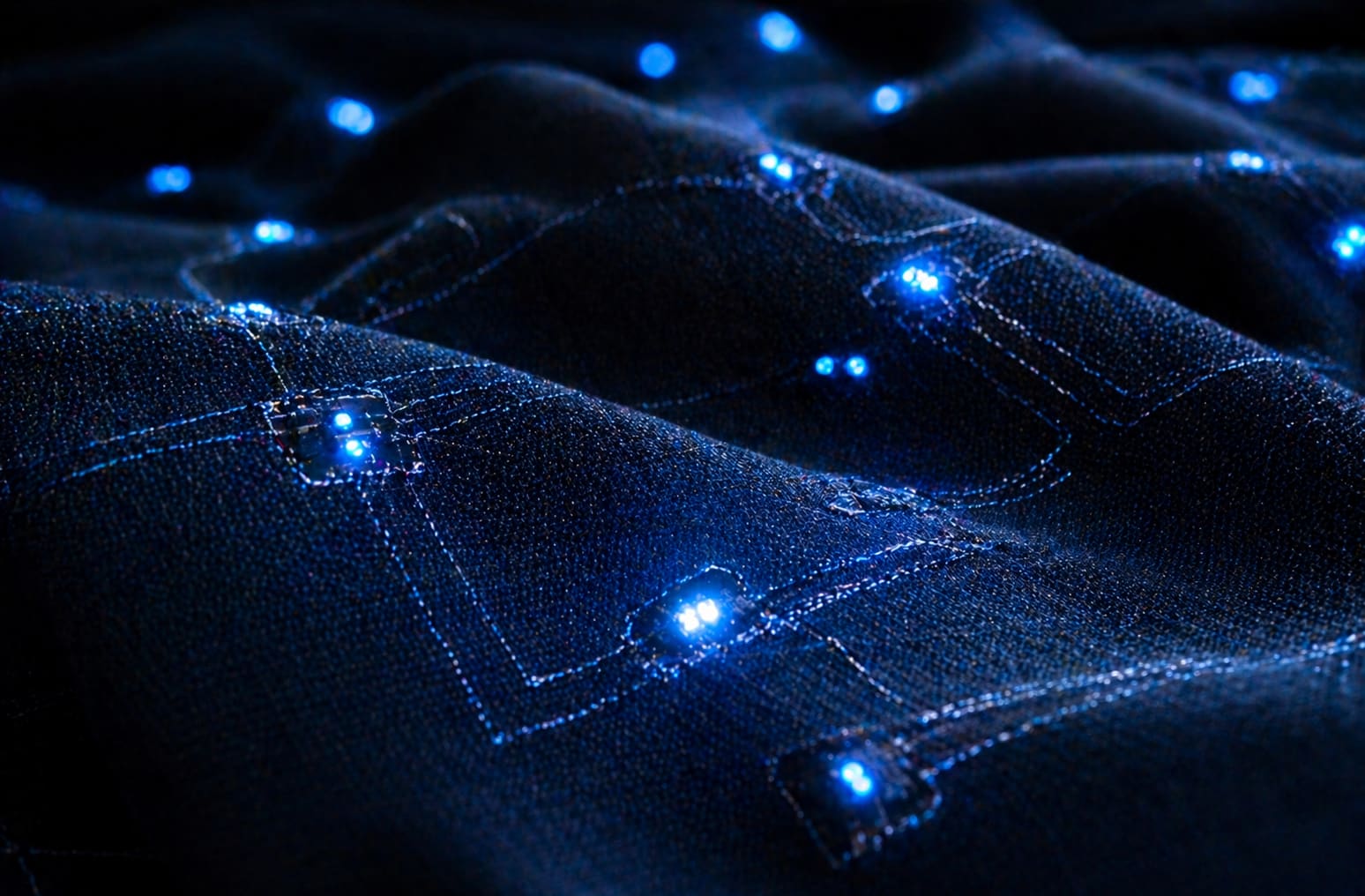
How to Evaluate Smart Textile Samples
A smart textile sample should be assessed as both a fabric and a functional system. Begin with the same checks used for conventional sourcing: composition, construction, weight in GSM for woven or knitted bases or oz for denim, usable width, shade, finish, stretch, recovery and cutting suitability. Then document how the added function is created, where components are positioned, how power or data connections are handled, and what conditions may affect performance. Buyers should ask for application-relevant evidence rather than relying on broad claims. Wash cycles, abrasion, bending, heat exposure, seam construction and repeated use can influence both fabric behaviour and the integrated feature.
- Define the function: state what the textile must sense, transmit, regulate or display.
- Set use conditions: include garment type, contact with skin, expected movement, care method and operating environment.
- Review production fit: check cutting, stitching, bonding, finishing, component protection and inspection requirements.
- Plan validation: agree on samples, test methods, acceptance criteria and responsibility for the textile and electronic elements.
For a wider view of changing material requirements, read the B2B textile industry trends guide.

Build a Clear Smart Textile Sourcing Brief
Smart textile sourcing works best when the inquiry separates confirmed requirements from features that still need development or testing. Share the intended application, base fabric type, composition, weight in GSM for woven or knitted fabric or oz for denim, width, colour, finish, quantity, sample stage and expected care conditions. Also identify who will supply or integrate sensors, conductive elements, connectors, power components or software, because these responsibilities may sit with different specialists. Amrita Global Enterprises (AGE) is an Ahmedabad-based B2B fabric manufacturer and supplier. Buyers can review the bulk fabric collection and the company’s fabric manufacturing and supply overview when considering suitable base fabrics for garment production. To discuss an available fabric specification, use the bulk fabric inquiry page and select Send Fabric Inquiry or Request Fabric Samples. Availability, MOQ, sampling, pricing and dispatch details should be confirmed for the specific requirement.
