
Learn key textile manufacturing challenges and practical sourcing steps for stable quality, bulk fabric supply, sampling, and repeat orders.
Textile manufacturing challenges rarely come from one issue alone. For garment manufacturers, apparel brands, and buying houses, delays can begin with uneven raw material supply, shade variation, unclear specifications, machine downtime, rework, or weak production planning. These problems affect cutting schedules, garment delivery, and buyer confidence, especially when the same fabric must perform consistently across repeat orders. A practical sourcing approach starts before bulk booking: confirm fabric use, GSM range, weave or knit structure, colour expectations, finishing needs, and acceptable tolerance with the supplier. Working with a fabric manufacturer for bulk supply also helps buyers discuss sampling, minimum order quantity, dispatch planning, and quality consistency in one place instead of addressing production problems only after they appear.

Common challenges in fabric sourcing include inconsistencies in raw materials, fabric defects, shade mismatches, shrinkage variations, rising processing costs, and shortages of skilled labour. These challenges can be addressed by establishing clear, documented specifications, conducting thorough inspections of incoming materials, implementing controlled production processes, and using well-defined approval samples. Buyers should carefully evaluate factors such as hand feel, fabric width, GSM, colour references, construction, finishing, and suitability for the intended end use before confirming bulk fabric orders. For applications like shirts, uniforms, casualwear, or private-label programs, even small changes in yarn, dyeing, or finishing processes can impact stitching quality, fit, and overall garment appearance. Amrita Global Enterprises facilitates sourcing decisions through its woven fabrics catalogue and extensive fabric manufacturer resources, enabling procurement teams to compare options aligned with their application requirements. Managing cost pressures effectively involves maintaining essential quality checks, planning production carefully, controlling wastage, and establishing clear approval stages to avoid costly last-minute rework. Buyers are encouraged to adopt strategic order planning and cost management approaches to optimize sourcing outcomes.
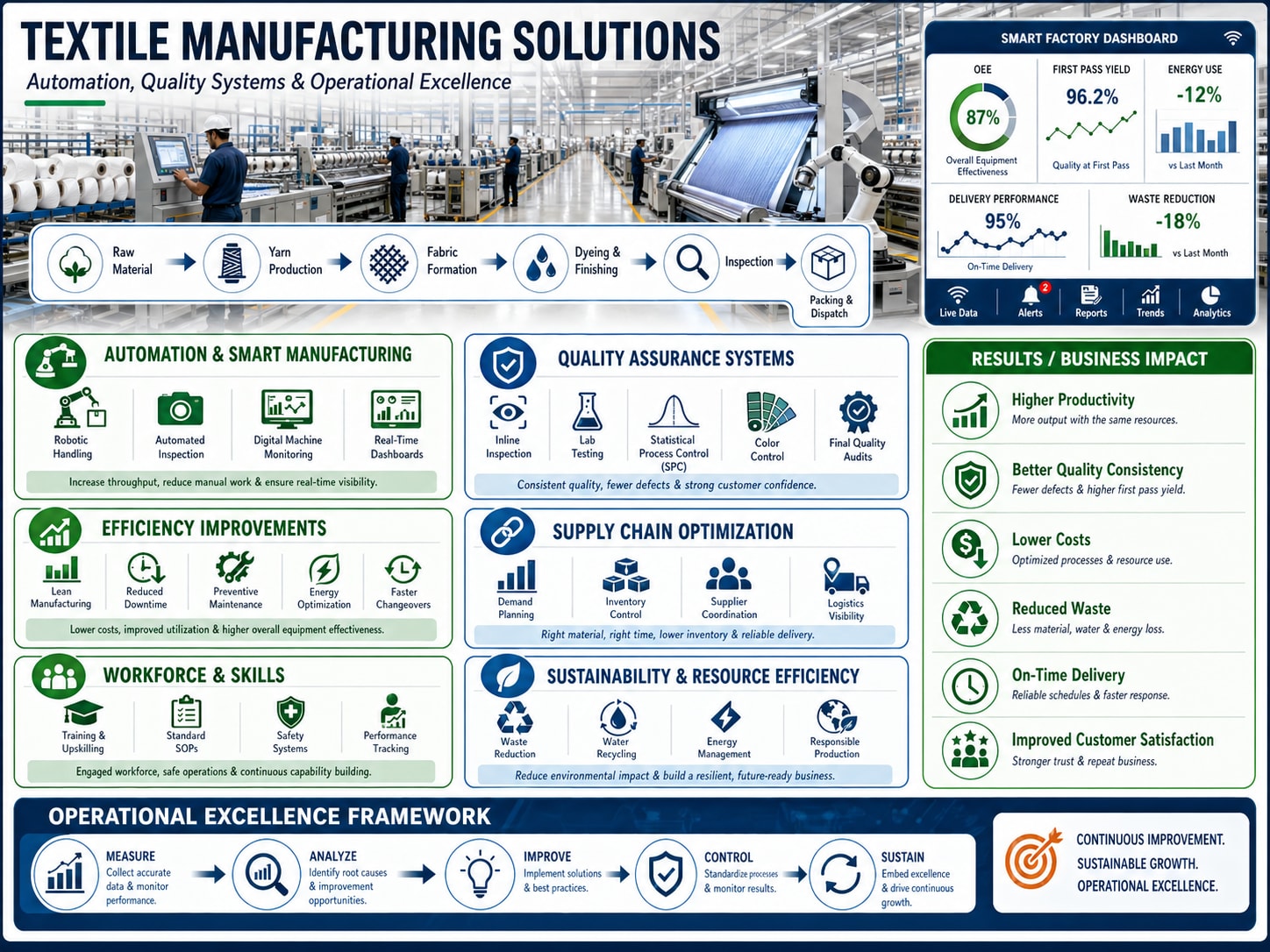
For B2B buyers, the objective is not only to resolve individual production issues but to establish a dependable fabric sourcing process. Providing clear inquiries helps suppliers recommend suitable fabric and reduces confusion during sampling, approvals, and repeat orders. Share fabric type, GSM or weight range, colour or shade reference, garment application, expected quantity, finishing preference, and dispatch expectations. Amrita Global Enterprises (AGE) can review buyer requirements for cotton, denim, woven, and other production-focused fabrics and guide discussions around bulk fabric supply, sampling support, and order coordination. For buyers planning multiple destinations or regular dispatches, early discussion of shipping and logistics is essential. Send Fabric Inquiry or Request Fabric Samples with complete specifications so the sourcing discussion starts with the right technical and commercial details.
