
Explore the top biodegradable fabrics transforming textile sourcing in 2026 and learn how procurement teams can leverage sustainable materials for responsible
Biodegradable Fabrics: A Sourcing Priority for 2026
As sustainability drives textile procurement, biodegradable fabrics are becoming a key focus for apparel brands, garment manufacturers, and sourcing teams. These materials are engineered to break down naturally after use, helping reduce landfill waste and supporting circular production models. For B2B buyers, understanding how to source and apply biodegradable textiles is essential for meeting both regulatory requirements and consumer expectations. The shift toward eco-friendly materials is now a practical necessity for those managing bulk fabric orders, where environmental impact and responsible sourcing are under scrutiny. Procurement professionals are evaluating fabric options not only for performance and cost but also for biodegradability and end-of-life outcomes. This approach helps brands align with sustainability goals while maintaining quality and consistency in finished products. When planning bulk purchases, buyers should consider how biodegradable fabrics can be integrated into their supply chain, factoring in GSM, width, weave, and application to ensure the material meets both functional and sustainability criteria. To explore available options, review the fabric collection from Amrita Global Enterprises.

Key Biodegradable Fabrics and Their Sourcing Considerations
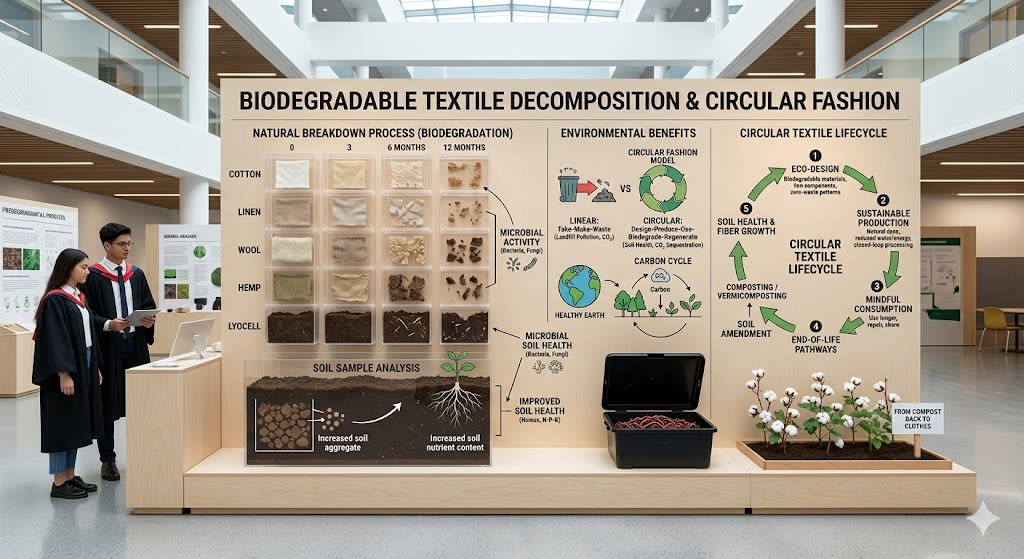
Procurement teams evaluating biodegradable fabrics should be aware of the main options available, each with unique sourcing and application points. Organic cotton is a widely used choice, grown without harmful pesticides and suitable for various apparel and home textiles. Hemp requires minimal water and chemicals, making it a strong candidate for sustainable sourcing in casualwear and accessories. Linen, from flax, offers biodegradability and durability, often used in shirting and summer garments. TENCEL™ (Lyocell) and Modal are cellulosic fibers from wood pulp, valued for softness and decomposition under the right conditions. Bamboo fabric, when responsibly processed, provides biodegradability and antibacterial properties, suitable for intimate apparel and activewear. Wool and silk are protein-based fibers that naturally break down, with uses from suiting to luxury garments. Piñatex and orange fiber are plant-based alternatives that use agricultural waste. For bulk buyers, specifying GSM, width, shade, and end use when requesting samples or quotations is important. Lighter weights (e.g., 120–150 GSM) are common for shirting, while heavier weights suit outerwear, but requirements should be confirmed for each application. Consistency in shade, finish, and repeat-order quality is critical. Early engagement with suppliers helps ensure fabric performance aligns with sustainability objectives.
Integrating Biodegradable Fabrics into Bulk Sourcing Strategies
For apparel brands, garment exporters, and buying houses, adopting biodegradable fabrics is a practical step toward responsible sourcing and long-term business sustainability. By working closely with suppliers to clarify GSM, width, colour, quantity, and application, procurement teams can identify the most suitable biodegradable options for their collections. Amrita Global Enterprises supports B2B buyers in evaluating and sourcing eco-friendly textiles that meet both functional and sustainability needs. To review available biodegradable fabrics or discuss your bulk requirement, send a fabric inquiry with your technical specifications and end-use details. This approach ensures that your sourcing decisions contribute to both product quality and environmental responsibility.
