
Learn how woven fabric supports structured garments, stable cutting and bulk sourcing, plus the key GSM, width, weave and finish checks for buyers.
Why woven fabric matters in apparel production
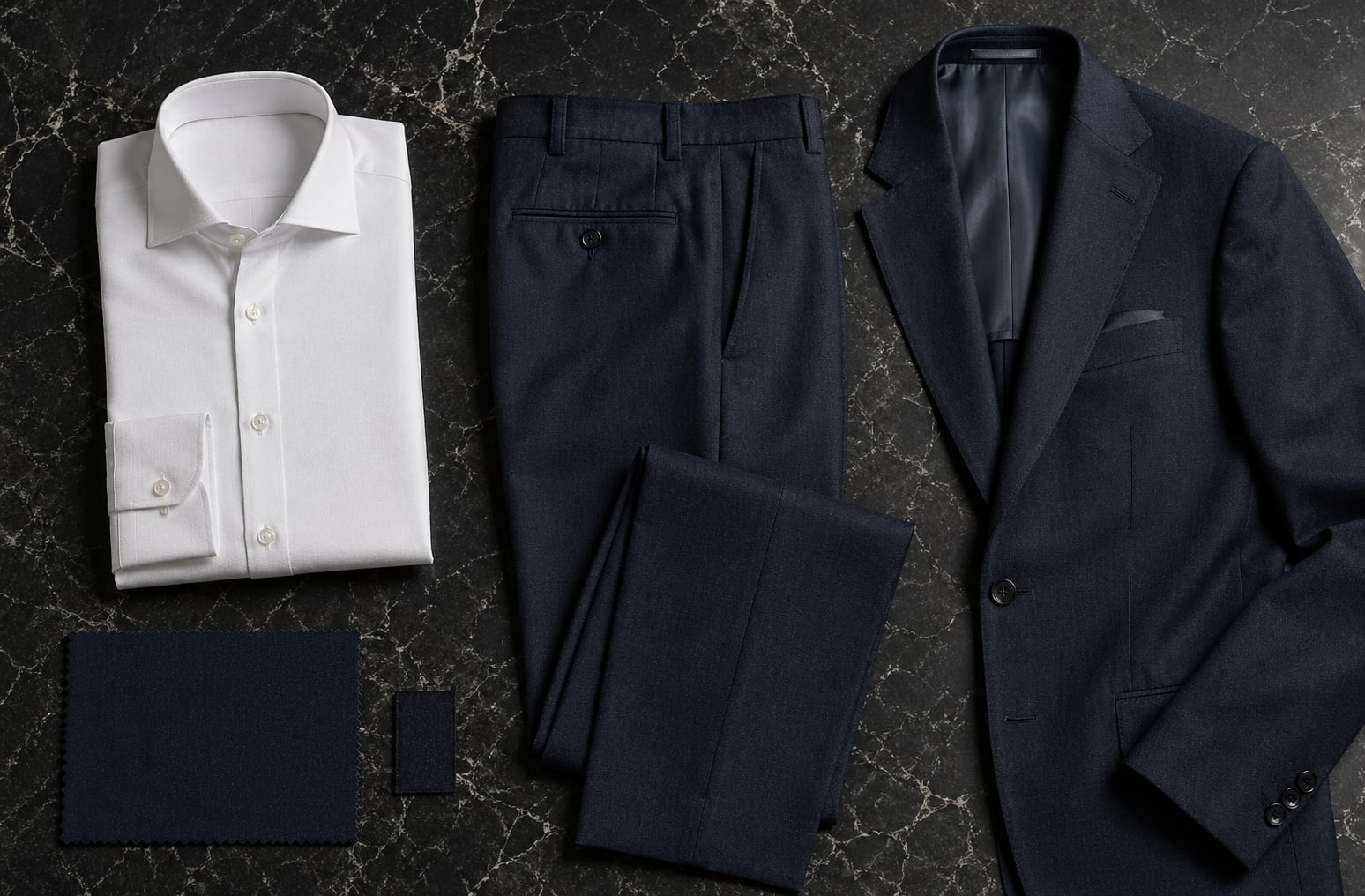
Woven fabric is formed by interlacing warp and weft yarns, creating a construction that can provide useful structure, dimensional stability and shape control. For garment manufacturers, apparel brands, buying houses and sourcing teams, these qualities can support cleaner cutting, predictable sewing and a more defined garment silhouette. Woven fabrics are commonly considered for shirts, trousers, dresses, uniforms, workwear, jackets and tailored styles, but the right choice depends on the exact construction rather than the fabric label alone. Before sampling, buyers should define the intended garment, fibre composition, GSM, usable width, weave, colour, finish and required quantity. This turns a broad request for “woven fabric” into a specification that suppliers can review against production needs.
Practical advantages and the checks behind them
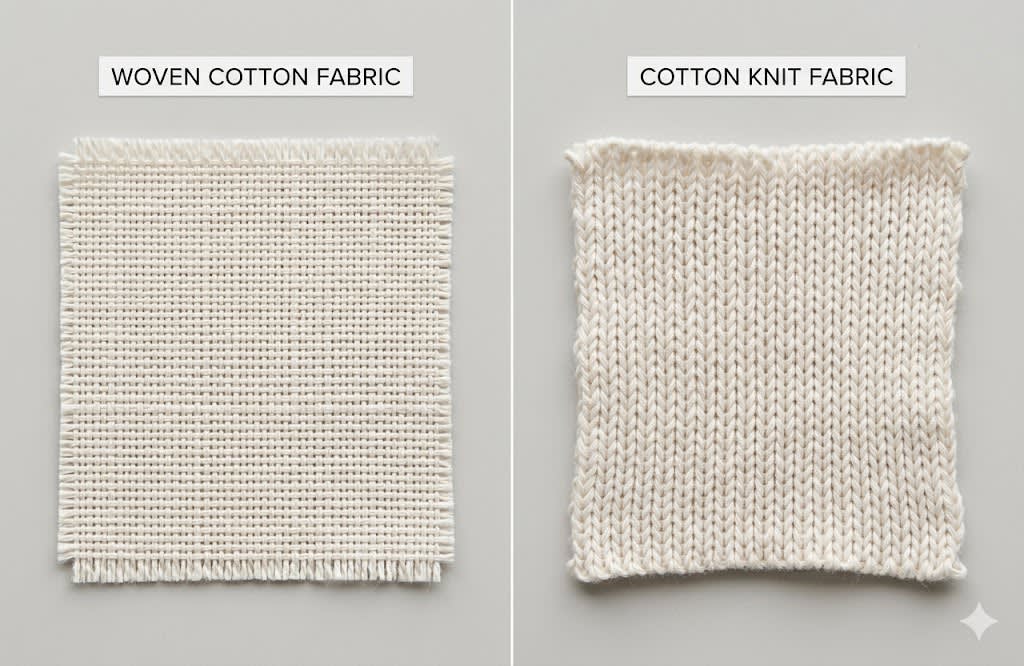
The main sourcing value of woven fabric is control. A stable construction can help pattern pieces hold their shape during spreading, cutting and stitching, while the available range of plain, poplin and twill weaves gives buyers options for different hand feel, drape and end uses. Wovens also accept varied dyeing, printing and finishing routes, although performance must be confirmed for the selected article. Compared with many knits, woven fabrics typically have less natural stretch unless the construction or composition is designed for flexibility. That makes them useful for structured garments, but buyers should still assess comfort, movement and seam behaviour.
- GSM and width: confirm weight and usable width against garment consumption and cutting plans.
- Composition and weave: review fibre content, yarn construction and whether plain, poplin, twill or another weave suits the application.
- Shade and finish: approve colour, surface, hand feel and finish on the actual sample.
- Production checks: discuss shrinkage, colourfastness, seam performance and lot consistency where relevant to the garment.
- Commercial fit: confirm sample availability, MOQ, bulk quantity, repeat-order needs and dispatch planning for the inquiry.
How to source woven fabric with fewer production surprises
Start with the garment, not a generic fabric name. A shirting program may need a different balance of GSM, drape and surface from uniforms, trousers or light workwear. Compare options in the woven fabric collection, then use the wider bulk fabric catalogue to review available constructions. A product page such as the Majestica-712 cotton twill specification shows the type of details buyers should compare, including composition, GSM, width, weave, shade and finish.
Amrita Global Enterprises (AGE) is an Ahmedabad-based B2B fabric manufacturer and supplier serving garment and textile buyers. Share your application, target specifications, colour, quantity and sampling needs so availability, MOQ, pricing and dispatch can be confirmed for the requirement. Use Send Fabric Inquiry to begin a sourcing discussion.
