
Evaluate woven fabric for bulk garment production by GSM, width, weave, finish, shade, sampling, repeat orders and sourcing priorities.
Why Woven Fabric Needs a Clear Buying Brief
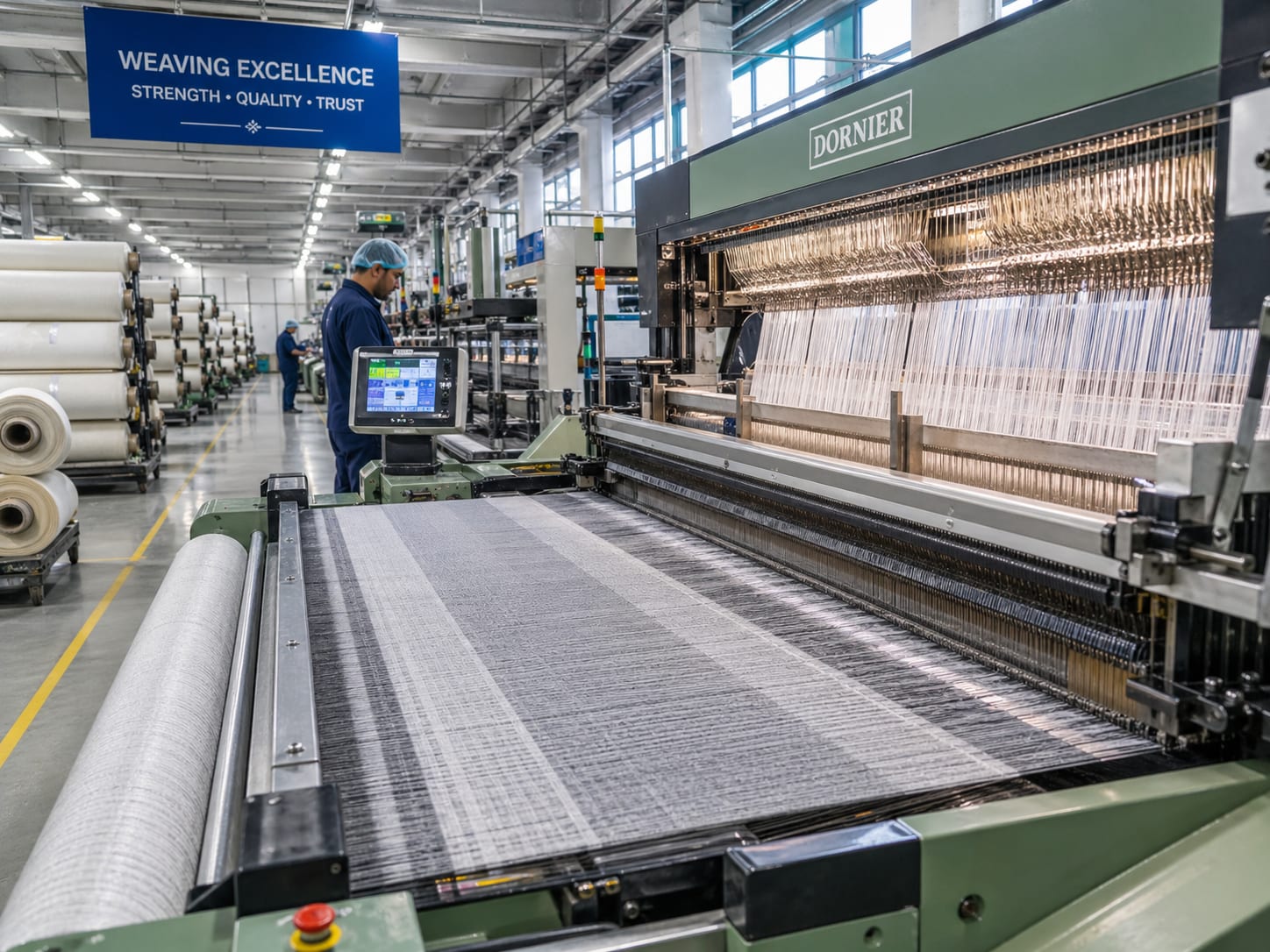
Woven fabric is made by interlacing warp and weft yarns, giving it a structured construction that can suit shirts, uniforms, trousers, dresses, workwear and other cut-and-sew products. For garment manufacturers, apparel brands and sourcing teams, however, “woven fabric” is only a starting point. Two fabrics with a similar appearance may behave differently during cutting, stitching, washing and repeat production because their composition, weave, GSM, width, finish and shade control are not the same. A useful sourcing brief should therefore begin with the garment application and required handfeel, then define the technical details that affect production. Buyers comparing options can start with AGE’s woven fabric collection for B2B sourcing and shortlist constructions that match the intended end use.
What to Check Before Approving a Woven Fabric
Review the fabric as a production material, not only as a colour swatch. Confirm fibre composition, GSM, usable width, weave, stretch if required, finish, colour and intended application. Ask how the fabric should be sampled and whether the bulk requirement can be matched against the approved reference. For repeat programmes, discuss shade expectations, lot identification and the information that should stay fixed between orders. Garment teams should also test the sample through their own cutting, stitching, pressing and wash process where relevant, because a suitable fabric must work with the planned pattern, seam construction and care method.
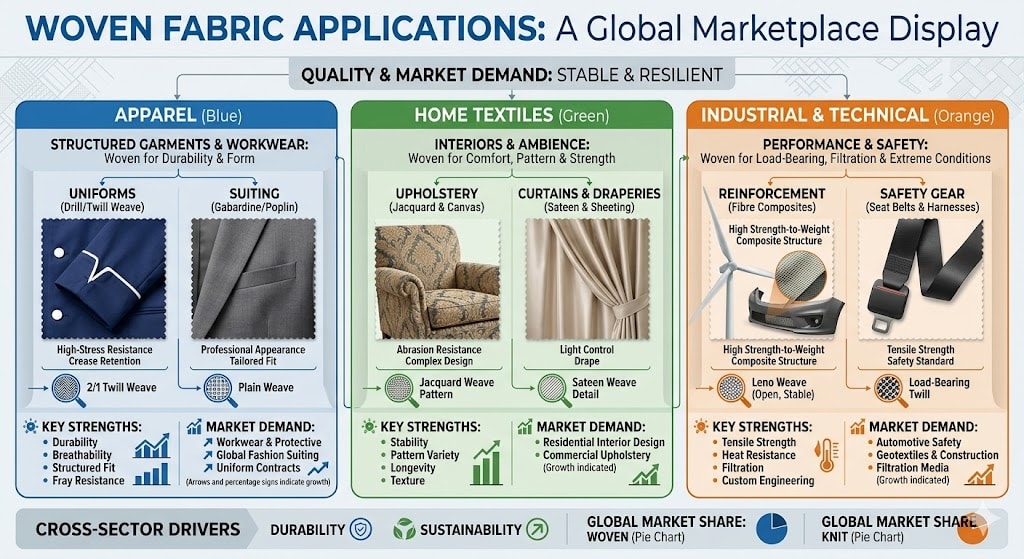
- Construction: compare plain, twill or another specified weave for surface, drape and garment structure.
- Weight and width: use GSM and usable width to estimate suitability and plan consumption.
- Finish and shade: record the approved handfeel, appearance and colour reference.
- Bulk planning: share quantity, sampling stage, production schedule and repeat-order needs before confirming availability.
For a practical product reference, buyers can review this 125 GSM cotton twill woven fabric. A broader comparison is available in the guide to different types of woven fabrics.
Turn Specifications into a Better Supplier Discussion
A strong inquiry gives the supplier enough information to assess suitability without guessing. Share the garment or end use, composition preference, GSM, width, weave, colour, finish, quantity and sample requirement. Also state whether the programme is a first order, a repeat order or a development request, as each may need a different approval process. Amrita Global Enterprises (AGE) is an Ahmedabad-based B2B fabric manufacturer and supplier serving garment and textile buyers. The fabric manufacturing and supply overview explains AGE’s sourcing focus. To discuss a woven requirement, use the bulk fabric inquiry page and choose Send Fabric Inquiry or Request Fabric Samples. Availability, MOQ, sampling, pricing and dispatch details should be confirmed for the specific fabric and quantity.
