
Turn changing consumer preferences into clear fabric specifications for sampling, bulk sourcing, repeat orders and garment production planning.
From Consumer Preference to a Fabric Brief
Changing consumer demand matters to sourcing teams when it changes the garment brief. Requests for softer handfeel, easier care, longer wear, better fit, distinctive colour or clearer material information must be translated into fabric decisions that production teams can check. For garment manufacturers, apparel brands and buying houses, the useful question is not simply what is trending, but which specification will deliver the required garment result at bulk scale. That means defining the end use, composition, fabric weight, width, weave or knit construction, stretch, shade and finish before requesting samples. Buyers can begin with the bulk fabric catalogue, then shortlist options against the intended garment, target customer and production process.
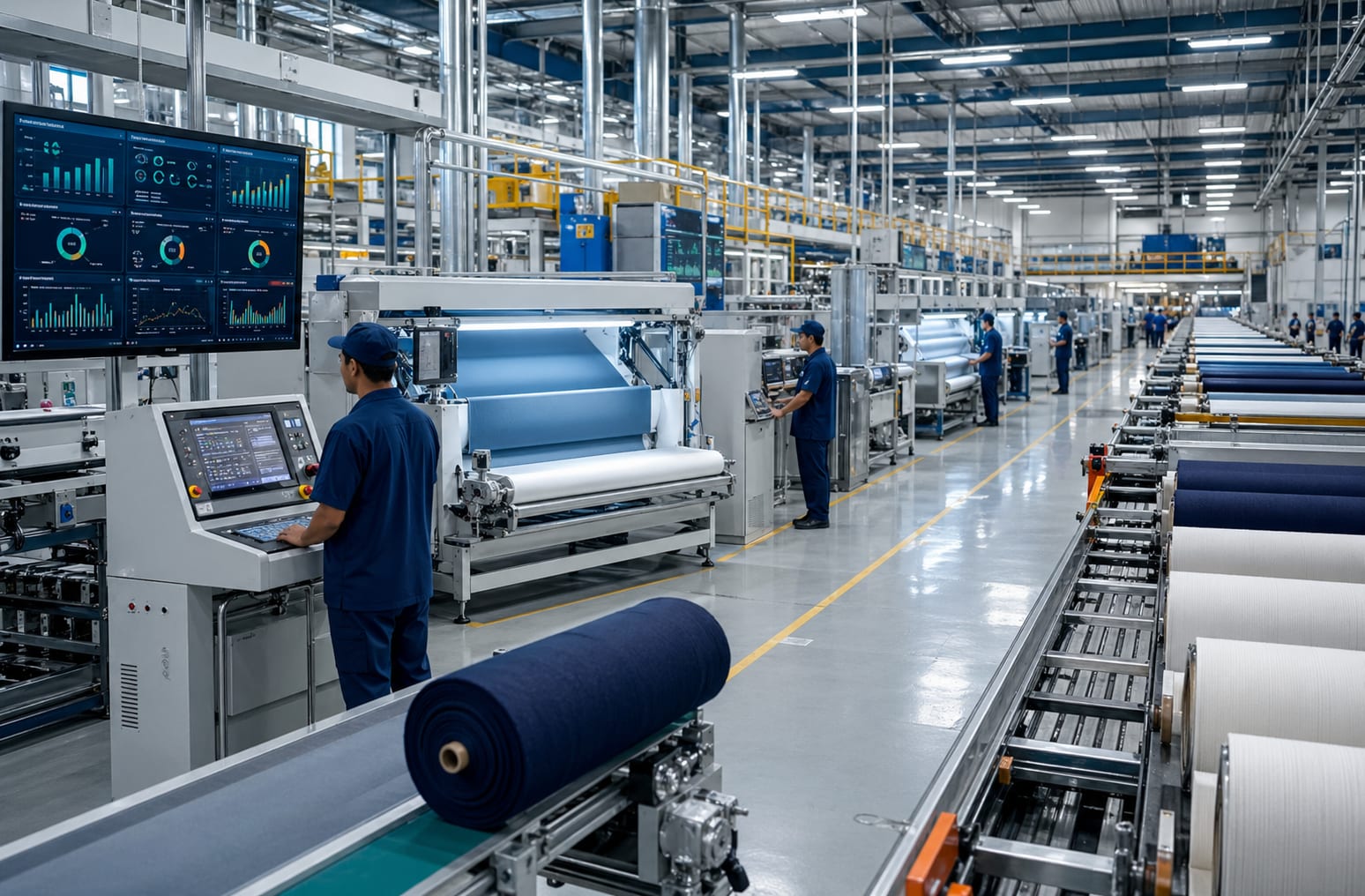
Turn Demand Signals into Measurable Specifications
- Comfort and fit: define handfeel, drape, breathability, stretch and recovery, using GSM for woven or knit fabrics and oz for denim.
- Durability and care: state the expected wash, shrinkage, abrasion and shape-retention needs, then request relevant evidence instead of assuming performance.
- Visual identity: specify colour, shade reference, surface character, print scale and finish so suppliers can compare suitable constructions.
- Responsible claims: list any fibre, process or documentation requirement that must be verified before the finished garment is marketed.
- Range agility: clarify sampling, colour approval, MOQ, repeat-order needs and dispatch planning for the actual programme.
This approach turns broad market signals into comparable sourcing conversations. The fabric selection guide for bulk garment production supports material shortlisting, while the textile supply chain guide explains how approvals, quality checks and dispatch coordination affect bulk orders.
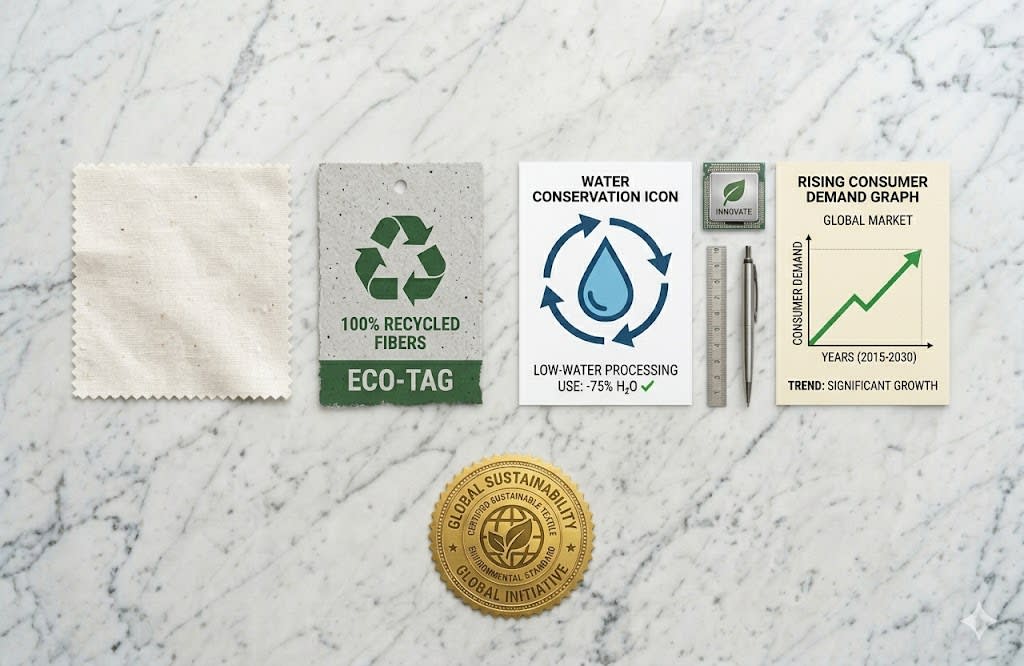
Build a Buyer Brief That Suppliers Can Answer
Before comparing offers, prepare a requirement sheet covering fabric type, composition, weight, width, construction, colour, finish, quantity, garment application, sample need and delivery destination. Ask the supplier to confirm availability, MOQ, pricing, sample terms, repeat-shade feasibility and dispatch planning for that specific inquiry. Amrita Global Enterprises (AGE) is an Ahmedabad-based B2B fabric manufacturer and supplier serving garment and textile buyers. AGE can review cotton, denim, woven or knit requirements without implying that every option is always available. Share a reference sample or image, the required performance and whether the need is for development, first bulk production or a repeat order. Send Fabric Inquiry with those details, or request fabric samples after the initial specification review.
