
Learn how B2B textile buyers assess fabric quality through specification checks, sampling, shade review and bulk-order controls before sourcing.
What Fabric Quality Means for a B2B Buyer
Fabric quality is not a vague promise or a single inspection result. For garment manufacturers, apparel brands, buying houses and sourcing teams, it means that the supplied material matches the approved specification and performs as required in cutting, stitching, finishing and wear. The starting point is a clear purchase brief covering fibre composition, intended garment, width, construction, colour, finish and quantity. Woven and knitted fabrics should be reviewed by GSM, while denim requirements should be stated in oz. Buyers should also define acceptable shade, handfeel and repeat-order expectations before approving a sample. A practical first step is to compare options in the bulk fabric catalogue and shortlist only those that fit the end use.
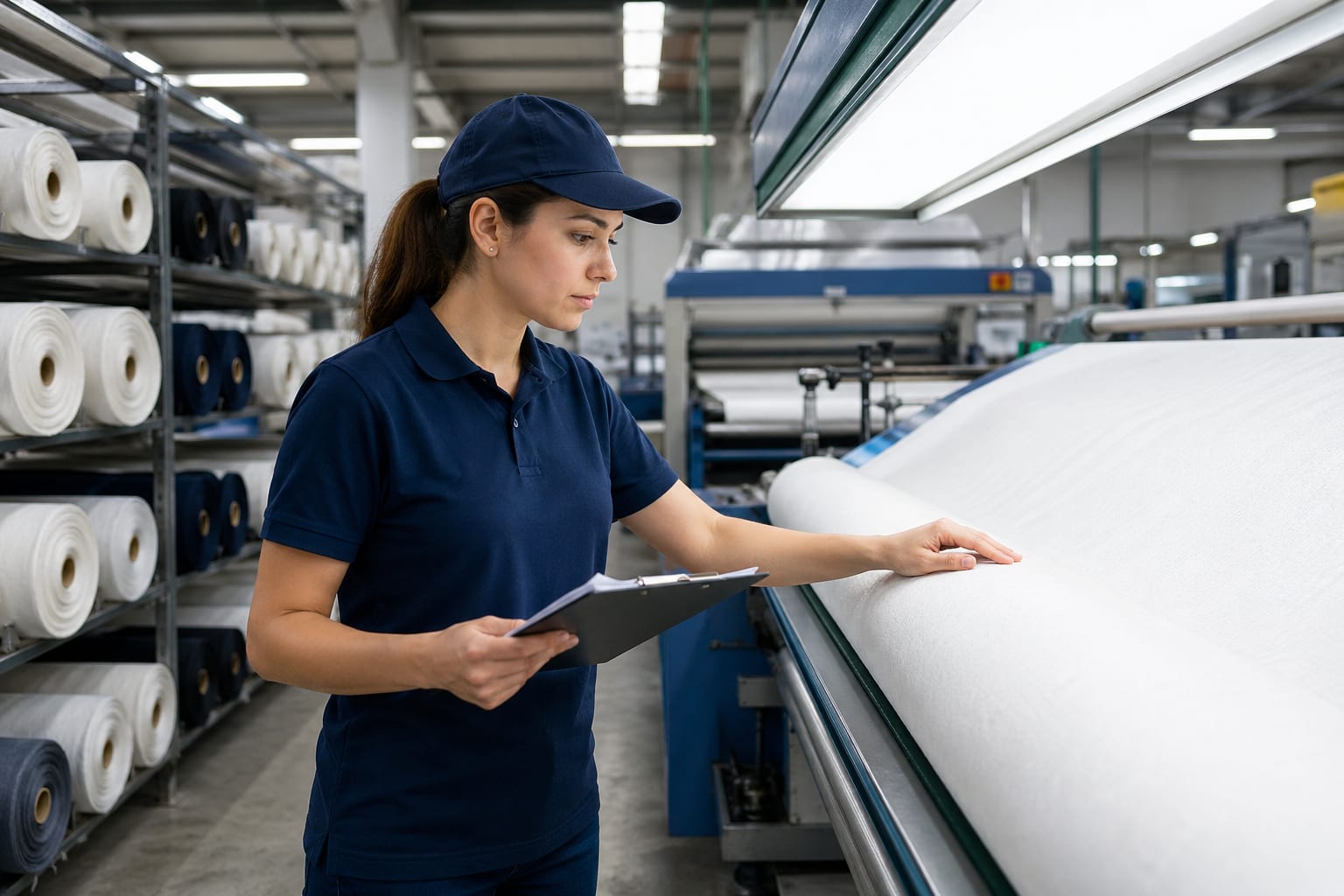
Quality Checks from Sample Approval to Bulk Supply
A dependable quality process connects the approved sample with the fabric delivered for production. Before ordering, buyers should record the sample reference, composition, GSM or denim oz, usable width, weave or knit structure, finish and shade. During bulk review, compare roll information and representative cuttings with that approved reference rather than relying on appearance alone. Depending on the garment and buyer standard, checks may cover weight, width, shade variation, bowing or skew, visible faults, shrinkage, dimensional stability, colourfastness, strength and stretch or recovery. Required test methods and acceptance limits should be agreed in writing; they should not be assumed from a supplier description.
- Sampling: check drape, handfeel, colour, sewing response and suitability for the intended garment.
- Bulk review: confirm lot details, roll variation and alignment with the approved specification.
- Repeat orders: retain references and communicate tolerance, shade and finish expectations clearly.
Buyers can use the fabric selection guide for garment production, review AGE's fabric sourcing capabilities and understand where checks fit within the textile supply chain.
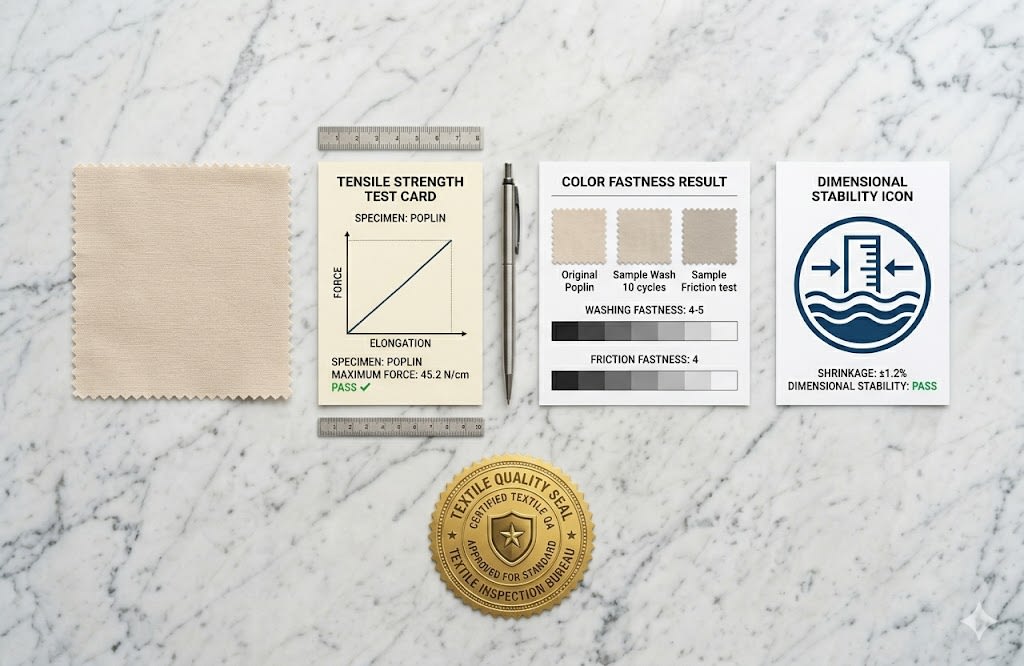
How to Reduce Quality Risk Before Placing a Bulk Order
The strongest buyer control is a complete, traceable inquiry. Share the fabric type, application, composition, target GSM or denim oz, width, construction, colour, finish, quantity and sampling need. Ask which specifications can be confirmed, what sample will serve as the approval reference and how bulk lots or repeat requirements will be reviewed. Also clarify MOQ, pricing and dispatch separately for the specific enquiry instead of treating them as universal promises. Amrita Global Enterprises (AGE) is an Ahmedabad-based B2B fabric manufacturer and supplier supporting garment manufacturers, brands, buying houses, wholesalers, traders, importers and exporters. To discuss suitable options, use Send Fabric Inquiry and include the technical details that matter to your production plan.
