
Learn why knit fabrics suit modern apparel and what B2B buyers should check for GSM, construction, stretch, width, finish, sampling and repeat orders.
Why knit fabrics suit modern apparel production
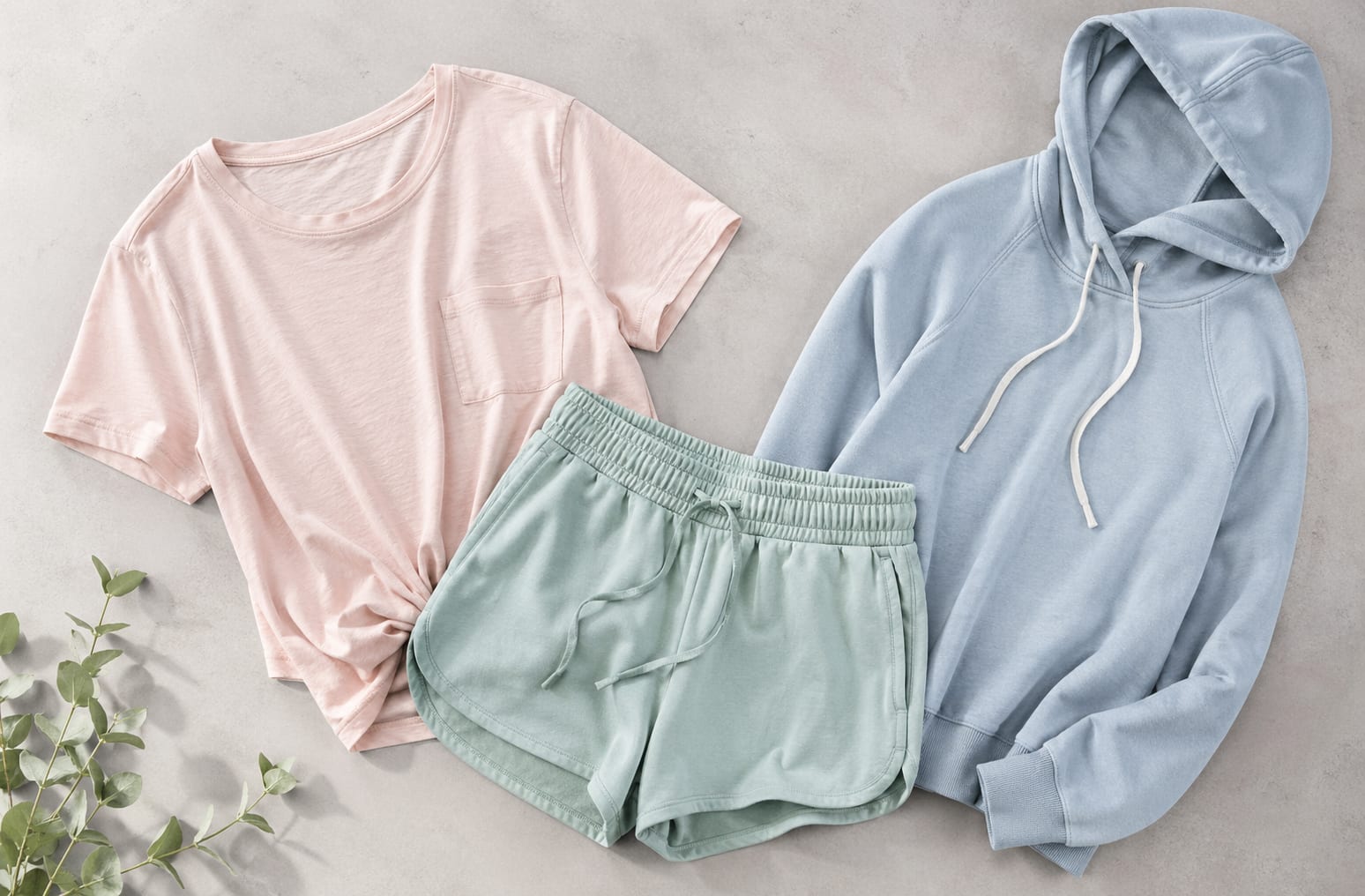
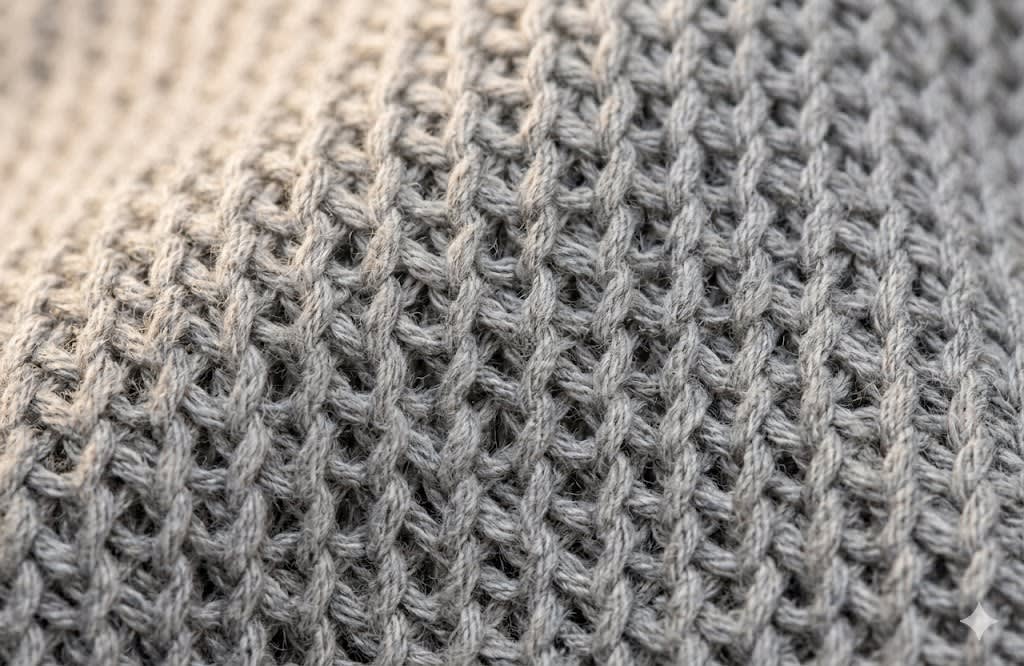
Knit fabrics are formed from interlocking yarn loops rather than the crossing yarn systems used in woven fabric. That looped structure can provide flexibility, drape and comfort, which is why knits are considered for T-shirts, polos, loungewear, dresses, sportswear and other garments that need movement. However, knit fabric is only a starting description. Jersey, rib, interlock and fleece constructions can behave differently depending on fibre composition, GSM, loop structure, finish and stretch. For garment manufacturers and sourcing teams, the useful question is not simply why knits are popular, but which construction matches the garment, sewing process, target hand feel and expected use. Buyers can review the knit fabric sourcing category while preparing a technical brief.
What B2B buyers should evaluate before sampling
Popularity does not make one knit suitable for every apparel programme. Start with the end use, then compare the specification points that influence cutting, sewing, fit and repeat production.
- GSM and construction: confirm the target weight and whether the brief calls for single jersey, rib, interlock, pique, fleece or another knit structure.
- Composition and stretch: record the fibre blend, required movement and recovery expectations instead of assuming every knit will perform alike.
- Width and usable yield: check whether the offered width suits marker planning, garment sizing and expected fabric consumption.
- Shade, finish and hand feel: review colour reference, surface, drape and finishing needs against the intended garment.
- Sampling and repeat orders: test stitching response, dimensional behaviour and appearance before bulk approval, then document the accepted reference for future lots.
The fabric selection guide for bulk garment production gives a broader comparison framework, while the bulk fabric catalogue can help buyers organise options by available specifications.
Turn popularity into a workable sourcing brief
A sound knit sourcing decision connects garment design with measurable specifications. Share the application, target GSM, composition, width, knit construction, stretch requirement, colour or shade, finish, quantity, sampling need and delivery destination. Ask how bulk approval, shade references and repeat-order checks will be handled; exact availability, MOQ, price, sample terms and dispatch timing should be confirmed for the individual enquiry. Amrita Global Enterprises (AGE) is an Ahmedabad-based B2B fabric manufacturer and supplier serving garment manufacturers, apparel brands, buying houses, wholesalers and sourcing teams. To discuss a knit requirement, Send Fabric Inquiry with the details needed for sampling and bulk planning.
