
Evaluate silk fabric by composition, GSM, width, weave, finish, shade and sampling needs before approving material for bulk apparel production.
What apparel buyers should define before sourcing silk
Silk fabric can suit occasionwear, dresses, blouses, scarves, linings and selected home-textile applications, but the trade name alone is not enough for a bulk decision. Buyers should first define the garment, required drape, opacity, surface character, care expectations and production method. Confirm the stated fibre composition rather than assuming that terms such as pure silk, raw silk or silk blend describe the same material. For woven or knitted options, ask for GSM, usable width, construction, colour or shade, finish and stretch details where applicable. A clear specification helps suppliers shortlist relevant material and reduces the risk of comparing fabrics that look similar in photographs but behave differently during cutting, stitching, finishing or wear.
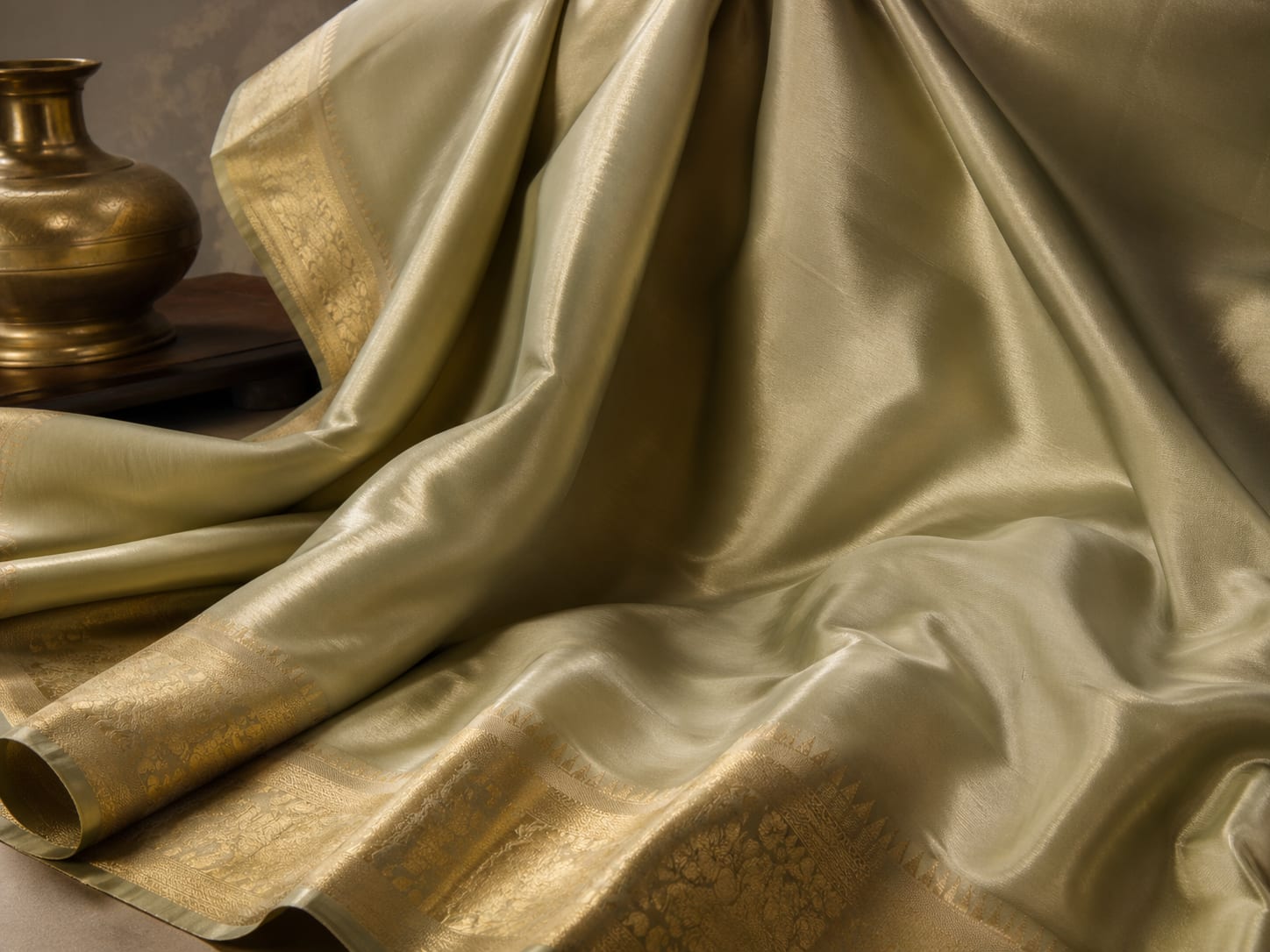
How to evaluate a silk fabric sample for production
Review the sample against the finished product, not only for softness or sheen. Check hand feel, drape, opacity, surface uniformity, yarn slubs, shade, usable width and whether the construction supports the planned silhouette. Discuss the checks required for colourfastness, dimensional stability, seam slippage, snagging, abrasion and care performance according to the garment and buyer standard; do not treat an unverified sales statement as a test result. Confirm whether the quoted GSM and width apply to the approved quality and whether finishing may change the handle or appearance.
- Record the supplier’s exact composition, GSM, width, weave or knit construction and finish.
- Keep an approved swatch or sealed sample with shade and quality references for bulk comparison.
- Test cutting, needle choice, seam construction, pressing and lining requirements during development.
- Agree the inspection method, acceptable variation, packing, MOQ and dispatch details before ordering.
The term “raw silk fabric” is used inconsistently in the market, so ask whether it refers to fibre stage, yarn character, a slubbed texture or a specific finished construction.
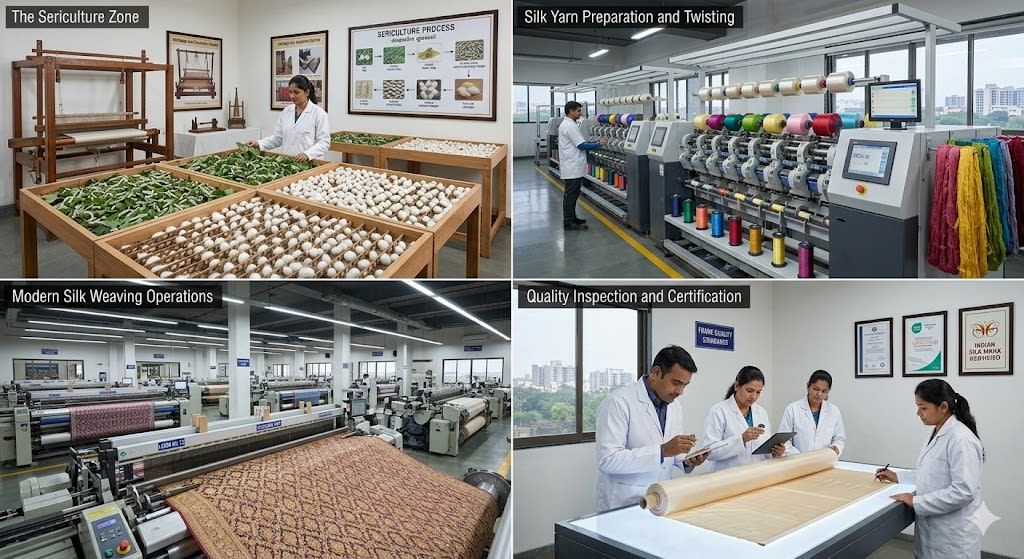
Move from sample approval to a controlled bulk order
Build the purchase specification from the approved sample and include the end use, composition, GSM, width, construction, finish, shade, quantity and required checks. For repeat orders, discuss how shade and quality references will be carried forward and what must be reapproved if yarn, processing or finishing changes. Buyers comparing silk with other apparel materials can use the fabric selection guide for bulk garment production, review the bulk fabric catalogue and read the textile supply-chain guide.
Amrita Global Enterprises (AGE) is an Ahmedabad-based B2B fabric manufacturer and supplier. Availability of any silk or silk-blend requirement must be confirmed for the individual inquiry. Share your application, specifications, quantity and sampling needs through Send Fabric Inquiry so suitable available options, MOQ, pricing and dispatch details can be reviewed without assuming a standard offer.
