
Compare weave, GSM, width, composition, finish and shade before bulk ordering woven fabric for shirts, uniforms and structured garment production.
Why Woven Fabric Selection Matters in Production
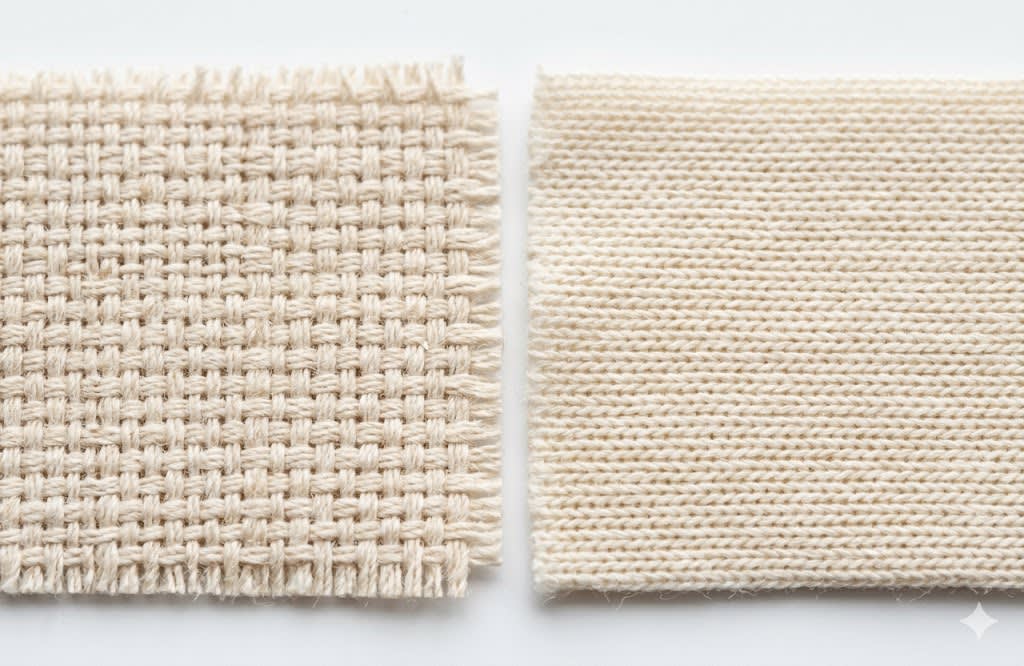
Woven fabric is formed by interlacing warp and weft yarns, creating a comparatively stable structure that suits many shirts, uniforms, trousers, dresses and other garments where shape and clean construction matter. For a garment manufacturer, however, woven is only the starting point. Two fabrics can share the same fibre content yet behave differently because of weave, GSM, width, yarn, finish and dyeing route. A sourcing brief should therefore connect the fabric to the intended garment, expected handfeel, colour, sewing method and production quantity. Buyers can review the Amrita Global Enterprises (AGE) woven fabric range and use the fabric catalogue to compare listed specifications before requesting samples or a bulk quotation.

What B2B Buyers Should Check Before Ordering
Start with the garment application and fabric construction. Plain or poplin weaves may suit clean shirting and uniform programmes, while twill has a visible diagonal structure and a different handle. Confirm composition, GSM, usable width, weave, colour, finish and any stretch requirement from the exact product record; do not assume one woven fabric will perform like another. Ask how the sample relates to the planned bulk lot, and assess handfeel, surface, shade, opacity, drape, shrinkage and care requirements against your own garment standard.
- Production fit: match construction and GSM to the garment, season and required silhouette.
- Cutting efficiency: confirm usable width before estimating consumption and marker planning.
- Repeat orders: record the approved shade, finish and sample reference for later comparison.
For a practical specification example, the Majestica-760 cotton twill listing states 100% cotton, 125 GSM, 146 cm width and a twill weave. Use listed data to shortlist, then confirm current availability, MOQ, sample terms, pricing and dispatch for your quantity. The bulk garment fabric selection guide offers a broader production checklist.
Turn the Specification Into a Clear Sourcing Inquiry
Before contacting a supplier, prepare one concise requirement sheet covering garment type, composition preference, GSM range, width, weave or construction, shade, finish, required quantity, sample need and target dispatch window. This gives the supplier enough context to confirm suitable options without guessing. For repeat programmes, also ask how shade, finish and approved sample references will be handled across future orders.
AGE is an Ahmedabad-based B2B fabric manufacturer and supplier serving garment manufacturers, apparel brands, buying houses, sourcing teams, wholesalers, fabric traders, importers and exporters. AGE can discuss low-MOQ options, sampling, bulk pricing, repeat-order planning and dispatch support for the specific inquiry, subject to confirmation. Use the bulk fabric inquiry page and select Send Fabric Inquiry or Request Fabric Samples with complete specifications.
